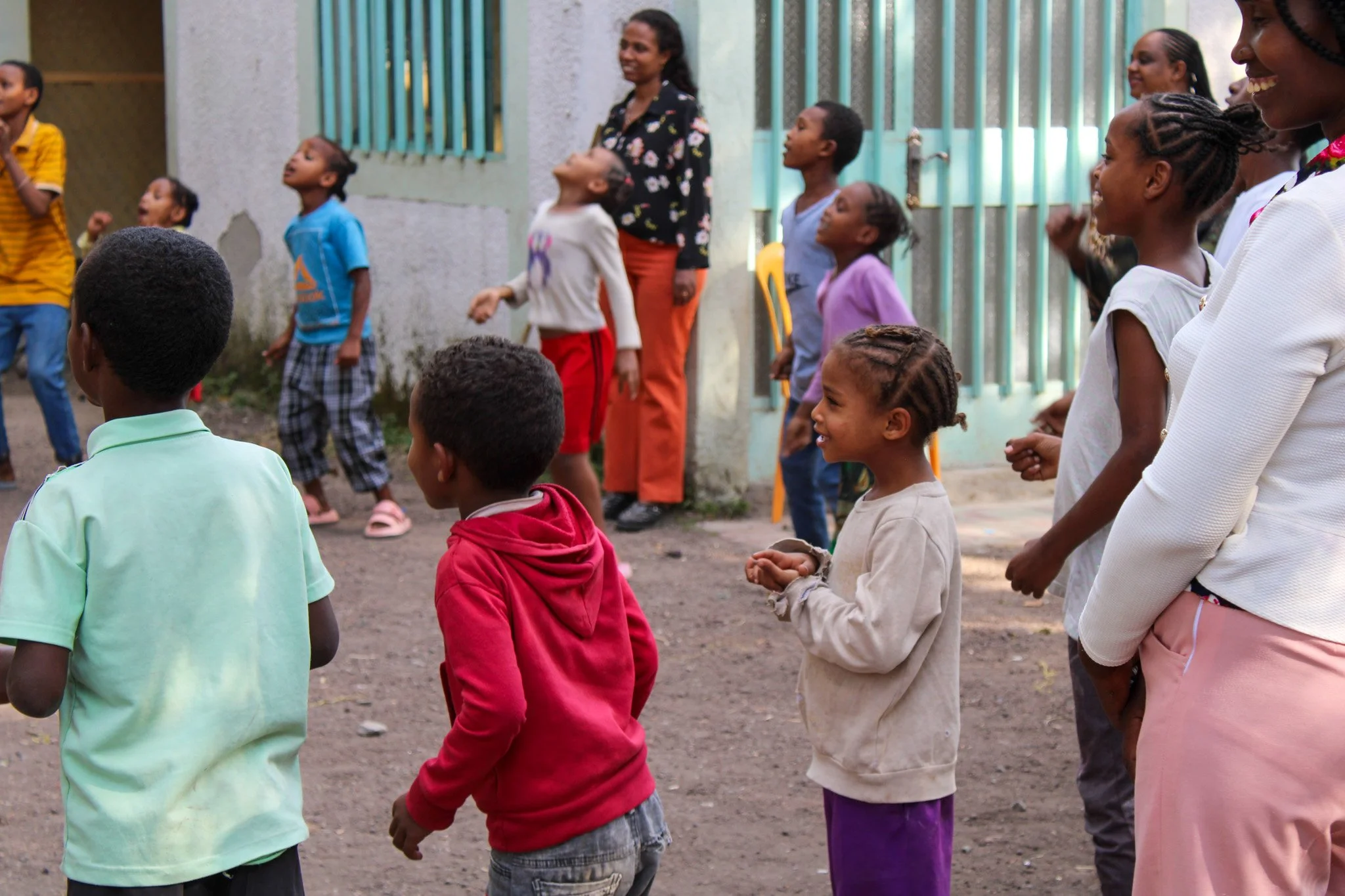
Outreach to Widows with Children
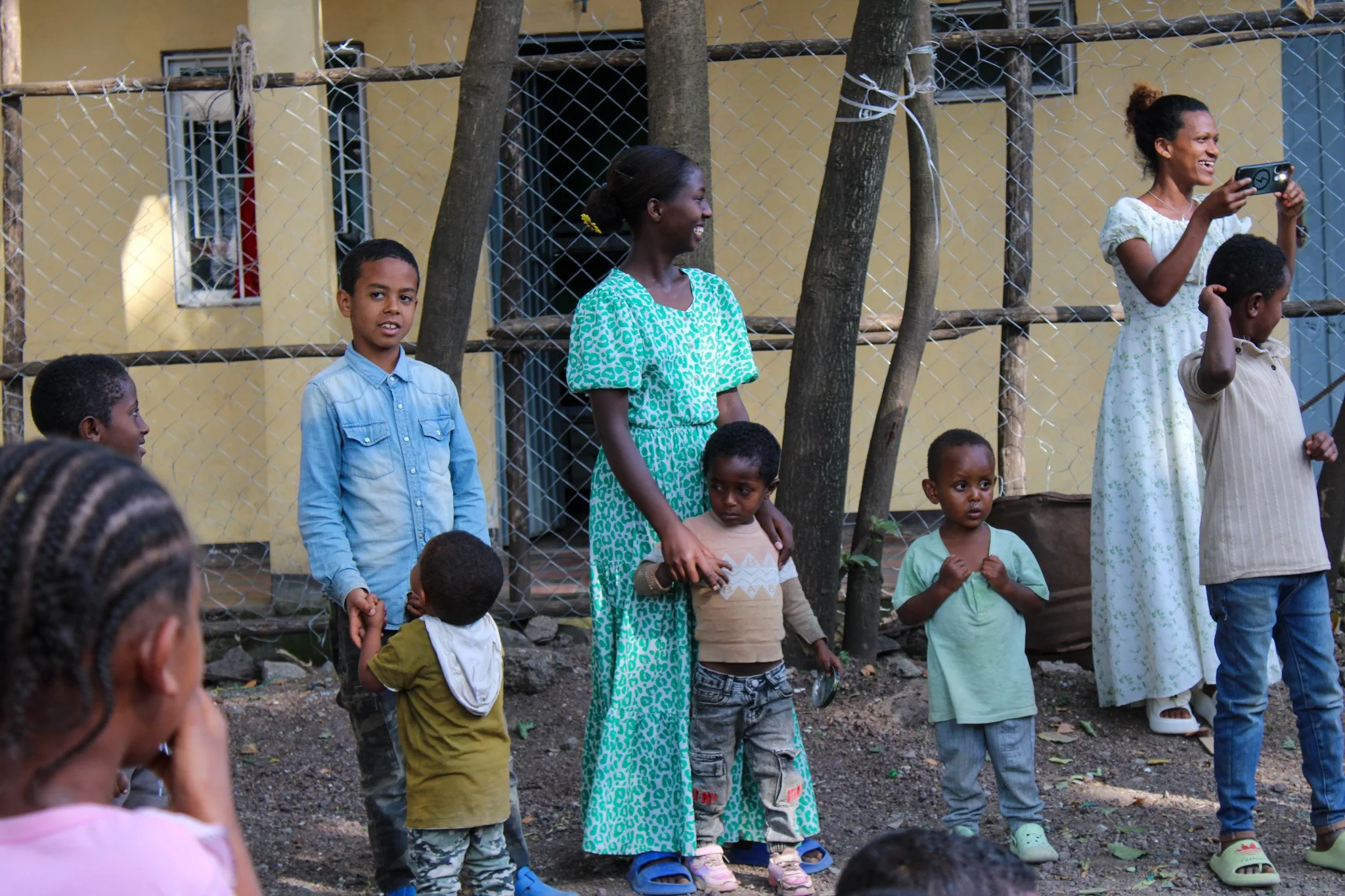
Many women in Ethiopia have lost their husbands because of the war. Left to care for their children alone, they face hardship—struggling each day to find food, shelter, and hope. Many end up on the streets with their little ones, simply trying to survive.
Find Out How We Step In Below:
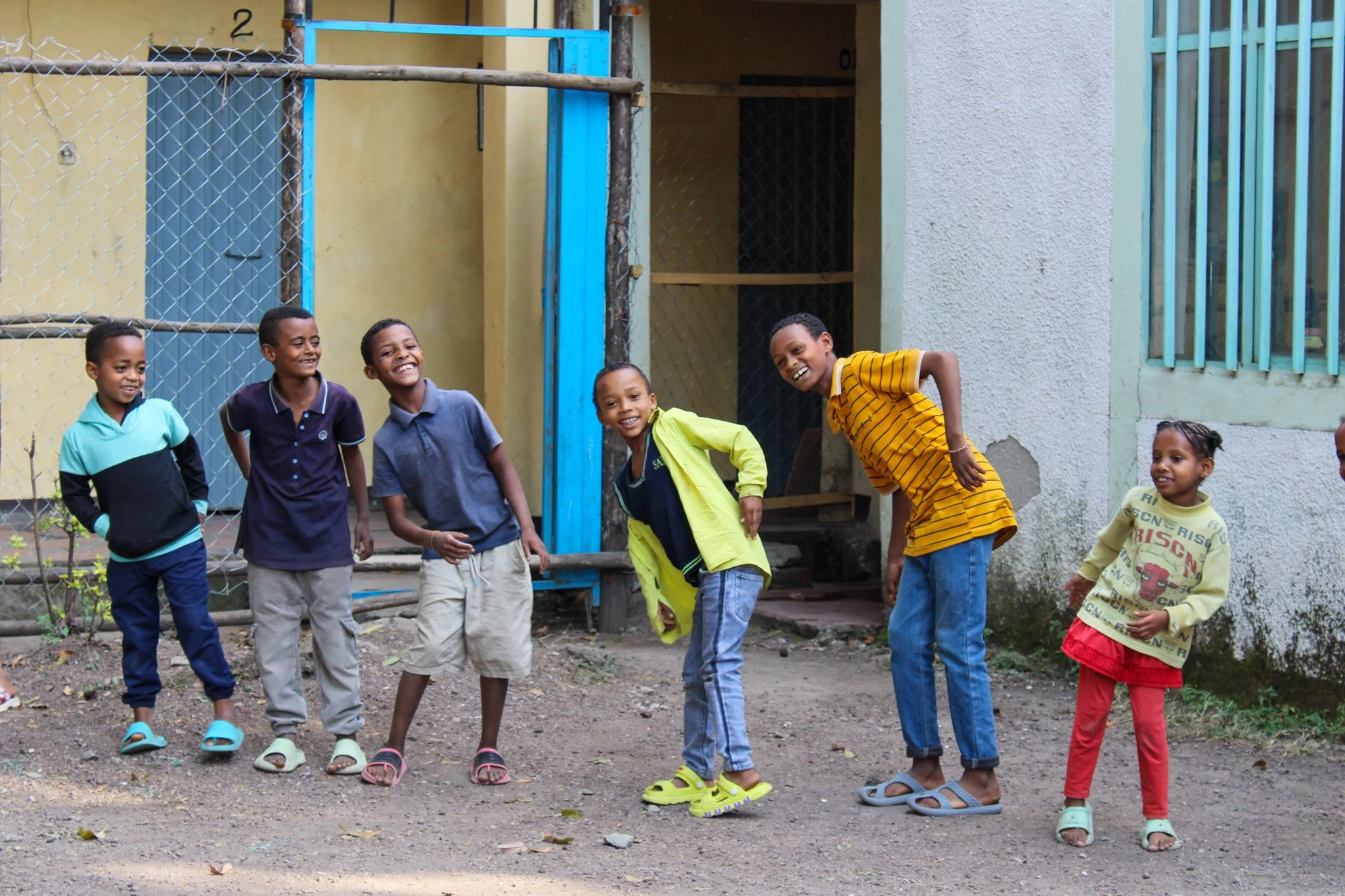
Changing lives
Hope For Kids
At Hope for Kids (HFK), outreach is relational, intentional, and firmly rooted in Christ-centered principles. Our trained outreach team engages with vulnerable families through consistent, compassionate visits to street locations such as churches, mosques, markets, bus stations, construction sites, and informal settlements. We also collaborate closely with government authorities, local church leaders, and former beneficiaries, who help identify widows and children in need. This holistic, spiritually guided approach allows HFK to gain an in-depth understanding of the challenges families face on the streets and to respond with both practical assistance and the love of Christ.
Widows with children are identified through ongoing presence, careful observation, and meaningful conversation rather than brief or sporadic encounters. Many of these women live in unsafe or unstable shelters or rely on begging for survival. Trust is built gradually, as outreach workers listen attentively to their stories, meet immediate needs—such as food, medical care, and spiritual encouragement—and walk alongside them with patience and compassion. Relationships are often strengthened through the involvement of trusted church leaders and respected community members, ensuring that families feel valued, safe, and understood.
Helping those who can’t help themselves
Rescue
At HFK, “rescue” is not automatically equated with institutionalization. Whenever it is safe and feasible, we prioritize family preservation, trusting that children flourish best within a stable, caring family environment. In such cases, children receive holistic support that includes access to education, nutritious food, medical care, spiritual guidance, and psychosocial support. Families may also receive assistance with housing, vocational training, and income-generating opportunities to stabilize their livelihoods and promote long-term independence.
Children are admitted to the Hope Center only in high-risk situations where their safety, health, or dignity is seriously compromised—such as abuse, homelessness, severe neglect, or substance dependency. In these cases, HFK provides full-time residential care in a secure, nurturing, and faith-filled environment, designed to restore hope, dignity, and a sense of belonging. Through this balanced, Christ-centered approach, HFK ensures that every intervention prioritizes the child’s best interests while honoring the intrinsic value of family and the transformative power of God’s love.
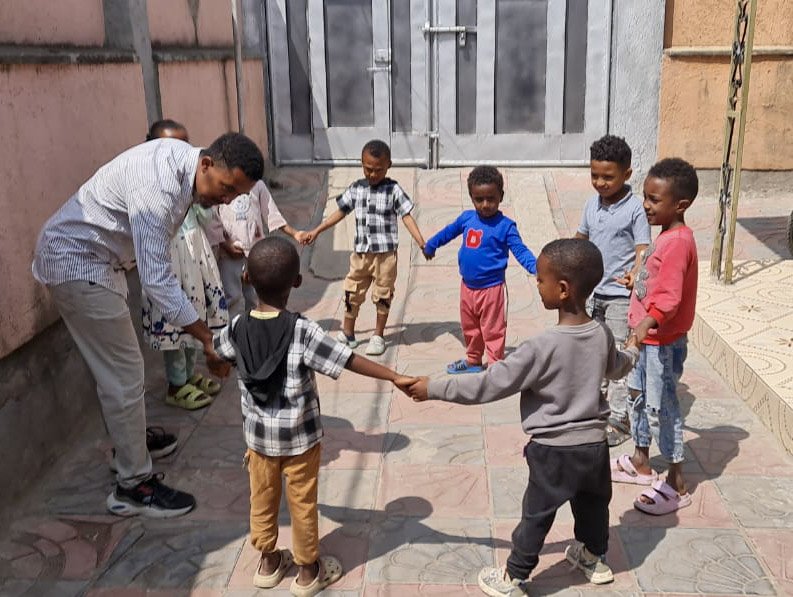
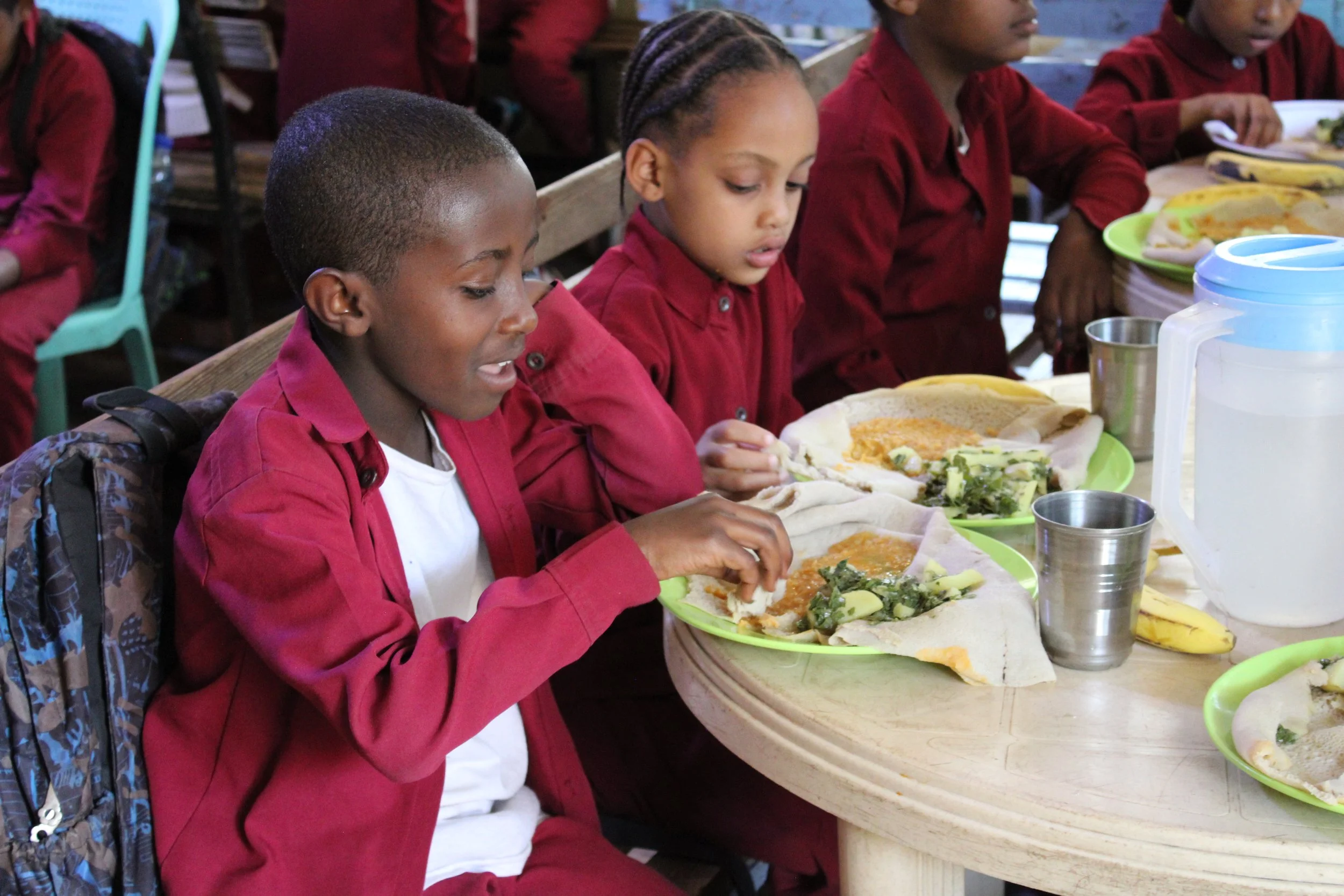
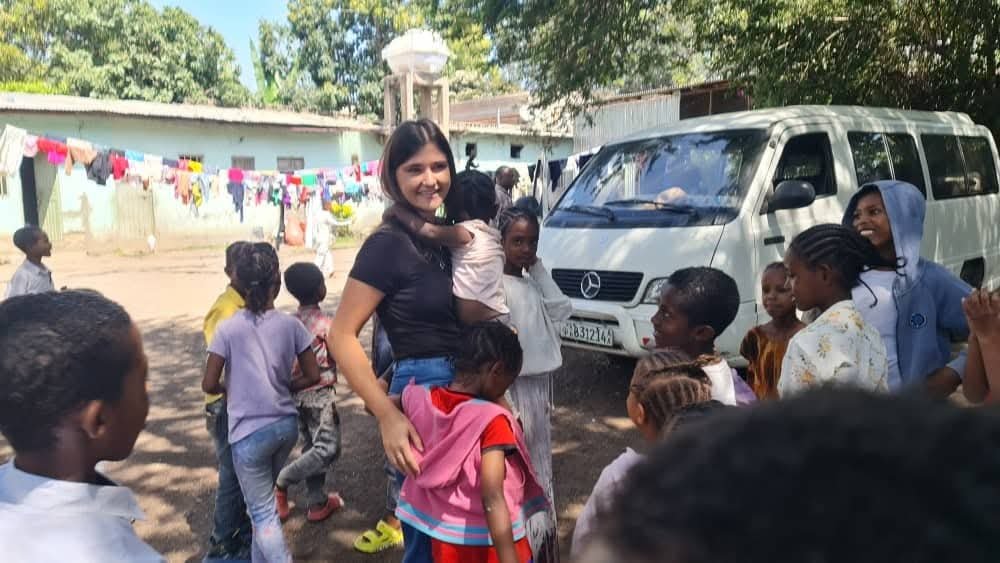
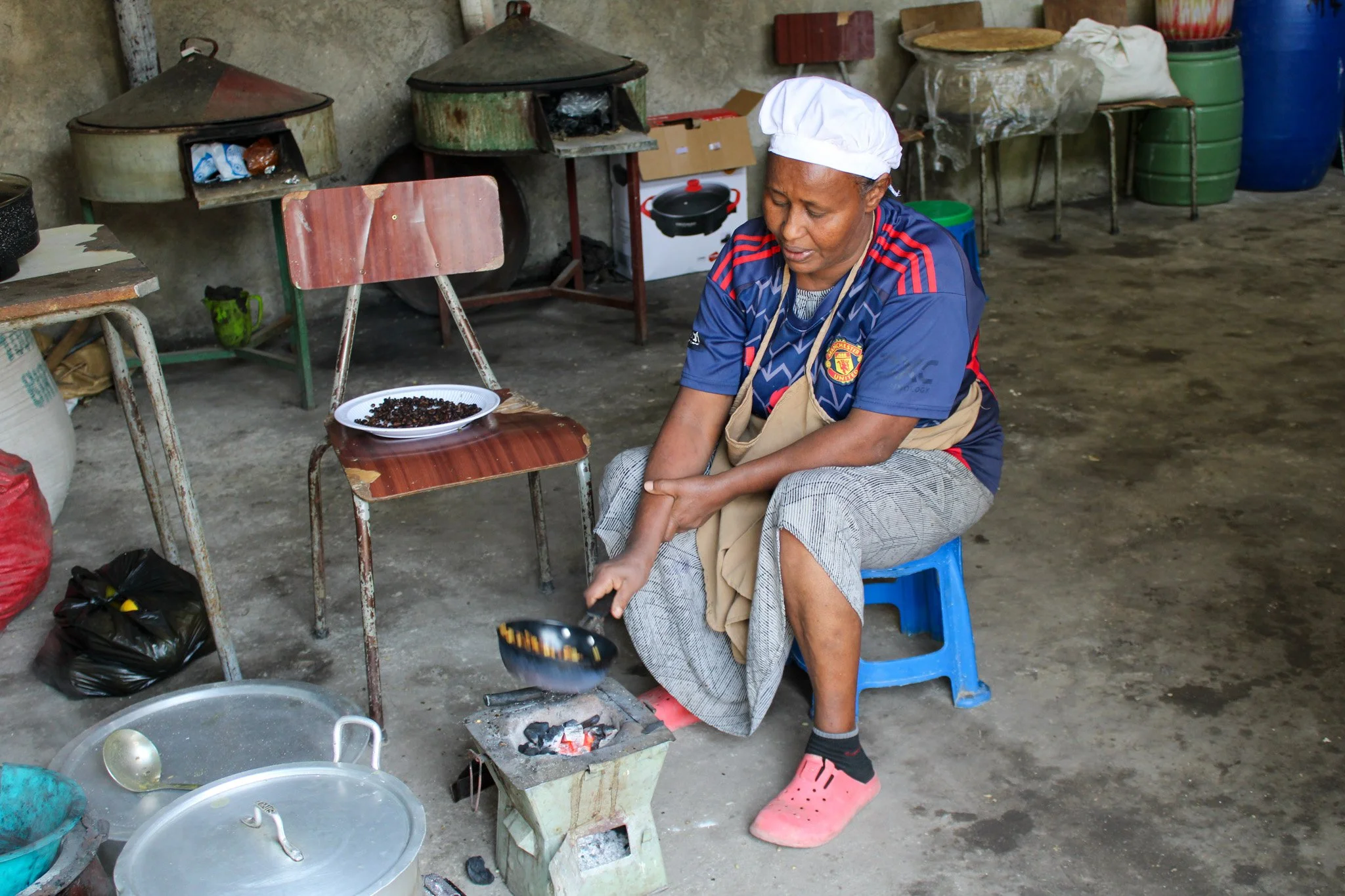
We empower these widows to rebuild their lives by teaching them practical skills and trades. Whether it’s baking bread, crocheting clothes, or running a small business, they are now learning how to thrive in life. We aim to find a solution for them to learn how to live out of the Hope Center on their own. Many who have already come through have already started thriving businesses. What was once a story of despair is becoming one of hope and a brighter future—for themselves and their children.